
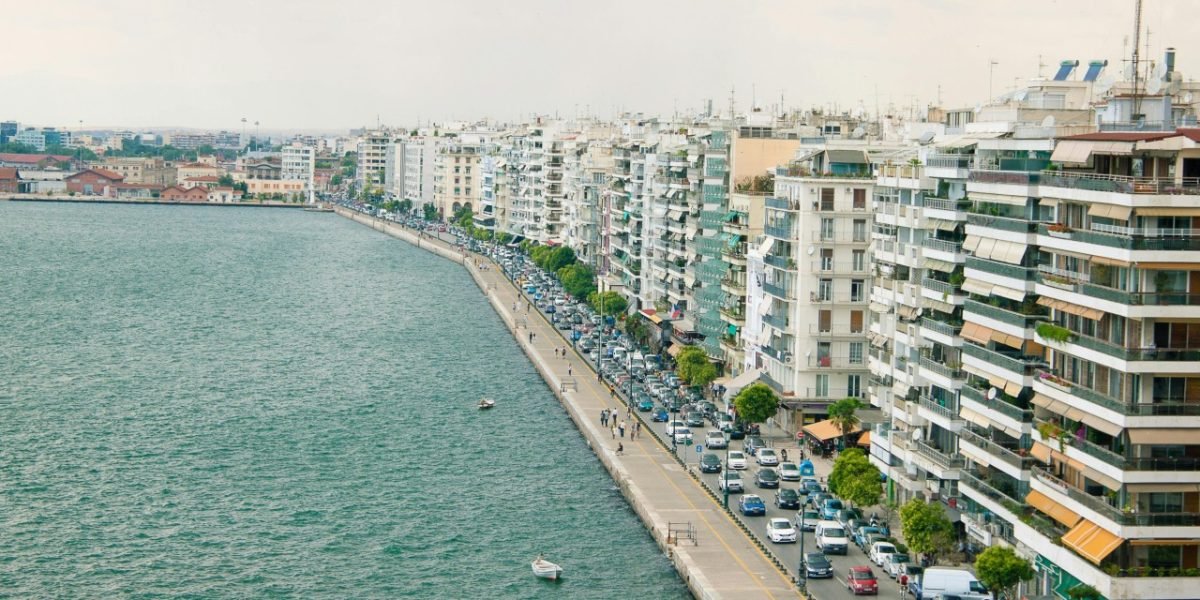
Greece has re-emerged as one of Europe’s most attractive real estate markets. The country is drawing attention not only for its lifestyle and natural beauty but also for its high-yield investment potential, tax incentives, and accessible residency pathways through programs like the Golden Visa.
However, despite growing global interest, many serious investors are still held back by outdated beliefs or hearsay. In my experience advising foreign buyers, I’ve come across the same three myths repeatedly — and I believe it’s time to set the record straight.
Myth #1: “Buying property in Greece is bureaucratic, slow, and risky.”
Reality: With a professional local team, the process is transparent, structured, and often faster than expected.Yes, it’s true that Greece used to be associated with slow bureaucracy, and to some extent, that legacy still shapes perception. But the truth is, Greece has made major reforms in recent years to streamline real estate transactions and attract foreign capital.
Today, digital land registries are operational across much of the country. Legal processes have been modernized, and professional support (lawyers, engineers, notaries) is highly regulated and investor-friendly.Most importantly: the Greek property market is now a very structured and secure legal environment, especially when compared with other Mediterranean markets.
In practice:
- Foreigners can buy freely (with few restrictions, especially in urban or touristic areas).
- The buyer’s lawyer conducts full due diligence before any deposit is made.
- Ownership is verified through centralized land registries, minimizing title risks.
- The typical closing timeline (with proper planning) is 4–6 weeks, even for buyers residing abroad.
Bottom line: Greece welcomes foreign buyers — and the process is far less intimidating than many assume.
Myth #2: “Only short-term rentals on the islands are profitable.”
Reality: Profitable opportunities exist year-round in cities, suburbs, and even commercial sectors.It’s easy to associate Greek real estate with villas in Santorini or summer homes in Mykonos — and while these are glamorous assets, they’re just one small part of the bigger picture.
There are several high-performing strategies that international investors are increasingly exploring:
1. Urban rentals in Athens
The capital city is undergoing a major transformation. Neighborhoods like Koukaki, Pangrati, and Neos Kosmos are in high demand among digital nomads, long-stay tourists, and local professionals. Many investors are achieving 6–8% net annual yields on fully managed apartments.
2. Student & medical housing in Thessaloniki
Thessaloniki is a growing education and healthcare hub with strong year-round rental demand. Properties are more affordable than Athens and often deliver attractive cash flow with lower entry points.
3. Commercial assets in tourism corridors
Shops, boutique hotels, and mixed-use buildings in cities or near cruise ports (like Piraeus, Chania, and Corfu) offer hybrid income strategies: commercial rent + long-term value appreciation.
4. Long-term furnished rentals
With Greece increasingly attracting digital nomads and retirees, the demand for modern, medium-term rentals (3–12 months) is growing rapidly — especially in cities and coastal suburbs.
So while the islands remain iconic, they’re not the only option — and often not the best one for consistent, year-round income.
Myth #3: “The Greek economy is unstable and too risky for long-term investment.”
Reality: Greece has entered a new phase of economic and political stability, with real momentum behind it.This is perhaps the most persistent myth — but also the one that’s most disconnected from today’s reality.Yes, Greece went through a severe financial crisis in the 2010s. But since then, the country has undergone profound structural reforms. The fiscal discipline and modernization efforts of recent years are now bearing fruit — and the world is noticing.
Consider this:
Greece has been upgraded by all major credit rating agencies, with several classifying its bonds as investment grade.
GDP growth in 2023 outpaced much of the EU, supported by strong tourism, foreign investment, and export growth.
Major multinationals (including Microsoft, Pfizer, and Amazon Web Services) have launched operations in Greece.
The country continues to attract international investors in real estate, infrastructure, hospitality, and logistics.
From a property market standpoint, we’re now seeing strong demand from both end-users and institutional investors — not just opportunistic buyers. This speaks to long-term confidence.
Moreover, the cost of entry in Greece remains remarkably affordable compared to other Mediterranean countries. That price-to-value gap is beginning to close, but the window is still open for smart capital.
Final Thought: Don’t Let Outdated Beliefs Hold You Back
Greece is no longer a “wait and see” market — it’s an active opportunity zone for yield, growth, lifestyle, and optionality (including residency benefits).
If you’re exploring ways to:
Diversify outside your home market,Secure a lifestyle asset with passive income,Gain EU access through investment… then Greece deserves a fresh, educated look.
I’m happy to share data-backed opportunities, case studies from recent buyers, and insights into areas showing the highest ROI potential — just reach out.
Let’s connect and explore what’s possible